当前位置:网站首页>循环队列与扩容
循环队列与扩容
2022-04-21 22:37:00 【hello world 999】
循环队列与扩容
1.顺序队列操作
#include<stdio.h>
#include<stdlib.h>
#include<time.h>

typedef struct{

    int *data;
    int front, rear;
    int length;
}SqQueue;

//1.队列初始化
SqQueue *InitQueue(int n){

    SqQueue *sq = (SqQueue *)malloc(sizeof(SqQueue));
    sq->data = (int *)malloc(sizeof(int) * n);
    sq->length = n;
    sq->front = sq->rear = 0;
    return sq;
}

//2.队列销毁
void DestroyQueue(SqQueue *sq){

    if (sq == NULL) return;
    free(sq->data);
    free(sq);
    return;
}

//3.队列判空
int QueueEmpty(SqQueue *sq){

    return sq->front == sq->rear;
}

//4.获取队列队首元素
int GetHead(SqQueue *sq){

    if(sq->front != sq->rear) return sq->data[sq->front];
}

//5.队列入队
int Push(SqQueue *sq, int val){

    if(sq == NULL) return 0;
    if(sq->rear == sq->length) return 0;
    sq->data[sq->rear] = val;
    sq->rear++;
    return 1;
}

//6.队列出队
int Pop(SqQueue *sq){

    if(sq == NULL) return 0;
    if(QueueEmpty(sq)) return 0;
    sq->front += 1;
    return 1;
}

void print(SqQueue *sq){

    printf("Queue : [");
    for(int i = sq->front; i < sq->rear; ++i){

        i != sq->front && printf(", ");
        printf("%d", sq->data[i]);
    }
    printf("]\n");
    return ;
}

int main(){

    srand(time(0));
    #define MAX_OP 20
    SqQueue *sq = InitQueue(10);
    for(int i = 0; i < MAX_OP; ++i){

        int op = rand() % 4;
        int val = rand() % 100;
        switch(op){

            case 0:
            case 1:
            case 2:{

                printf("push %d to the Queue = %d\n", val, Push(sq, val));
            }break;
            case 3:{

                printf("pop %d from the Queue = ", GetHead(sq));
                printf("%d\n", Pop(sq));
            }break;
        }
        print(sq);
    }
    #undef MAX_OP
    DestroyQueue(sq);
    return 0;
}
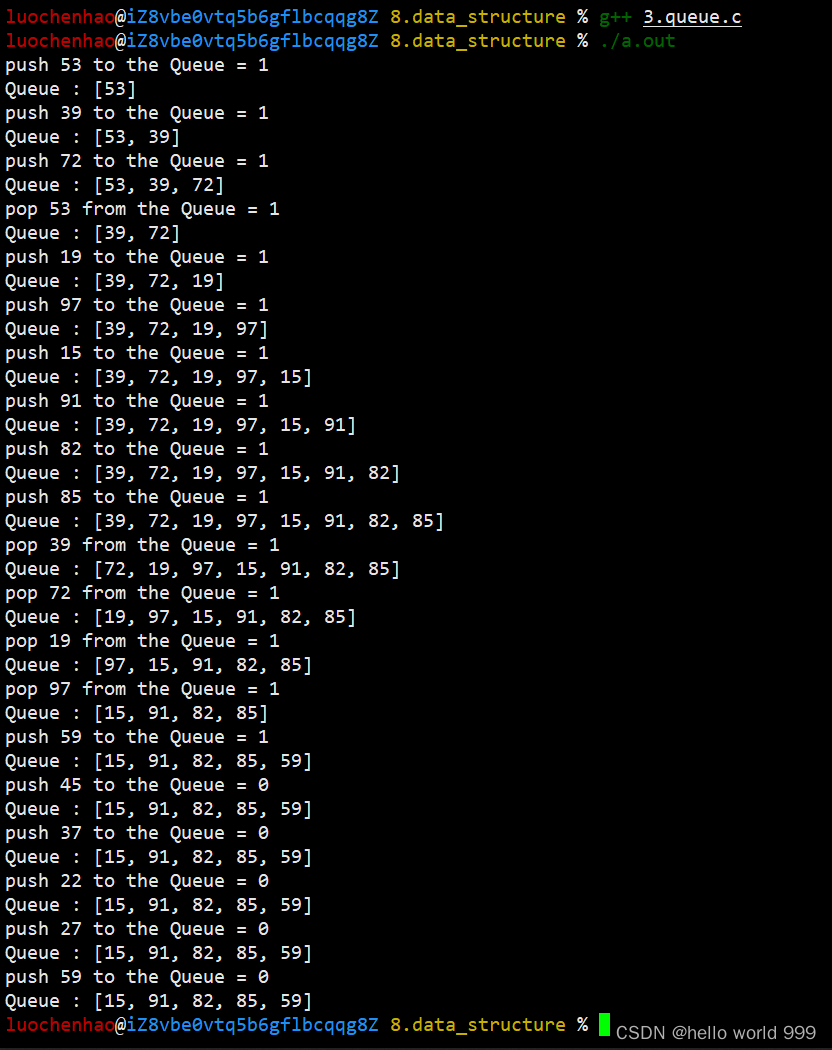
普通队列存在假溢出现象,注意到最后5次push操作全部失败,但是queue队列中的元素却并没有达到设置的最大容量值10
2.循环顺序队列:

为了处理顺序队列的假溢出问题,
将普通队列修改为循环队列,程序中主要修改三个部分:
- 对于SqQueue结构体:增加一个count变量用于记录循环队列中实际存储的元素个数
typedef struct{

    int *data;
    int front, rear;
    int length;//队列容量
    int count;//实际存储的元素个数
}SqQueue;
- 对于push操作的修改:当尾指针达到队尾时,再添加元素将其重新调到队头
if(sq->rear == sq->length) sq->rear = 0;//尾指针置0
sq->count++;
- 对于pop操作的修改:当头指针达到队尾时,再删除元素则将其重新调到队头
if(sq->front == sq->length) sq->front = 0;//头指针置0
sq->count--;
循环顺序队列的实现:
#include<stdio.h>
#include<stdlib.h>
#include<time.h>

typedef struct{

    int *data;
    int front, rear;
    int length;
    int count;
}SqQueue;

//1.队列初始化
SqQueue *InitQueue(int n){

    SqQueue *sq = (SqQueue *)malloc(sizeof(SqQueue));
    sq->data = (int *)malloc(sizeof(int) * n);
    sq->length = n;
    sq->front = sq->rear = 0;
    sq->count = 0;
    return sq;
}

//2.队列销毁
void DestroyQueue(SqQueue *sq){

    if (sq == NULL) return;
    free(sq->data);
    free(sq);
    return;
}

//3.队列判空
int QueueEmpty(SqQueue *sq){

    return sq->count == 0;
}

//4.获取队列队首元素
int GetHead(SqQueue *sq){

    if(sq->front != sq->rear) return sq->data[sq->front];
}

//5.队列入队
int Push(SqQueue *sq, int val){

    if(sq == NULL) return 0;
    if(sq->count == sq->length) return 0;
    sq->data[sq->rear++] = val;
    if(sq->rear == sq->length) sq->rear = 0;//尾指针置0
    sq->count++;
    return 1;
}

//6.队列出队
int Pop(SqQueue *sq){

    if(sq == NULL) return 0;
    if(QueueEmpty(sq)) return 0;
    sq->front++;
    if(sq->front == sq->length) sq->front = 0;//头指针置0
    sq->count--;
    return 1;
}

void print(SqQueue *sq){

    printf("Queue(%d) : [", sq->count);
    for(int i = 0; i < sq->count; ++i){

        i && printf(", ");
        printf("%d", sq->data[(i + sq->front) % sq->length]);
    }
    printf("]\n");
    return ;
}

int main(){

    srand(time(0));
    #define MAX_OP 20
    SqQueue *sq = InitQueue(10);
    for(int i = 0; i < MAX_OP; ++i){

        int op = rand() % 4;
        int val = rand() % 100;
        switch(op){

            case 0:
            case 1:
            case 2:{

                printf("push %d to the Queue = %d\n", val, Push(sq, val));
            }break;
            case 3:{

                printf("pop %d from the Queue = ", GetHead(sq));
                printf("%d\n", Pop(sq));
            }break;
        }
        print(sq);
    }
    #undef MAX_OP
    DestroyQueue(sq);
    return 0;
}

3.循环顺序队列扩容:
当循环顺序队列真的达到最大容量时(真溢出),可以对其进行扩容操作:
注意:注意:如果使用realloc进行扩容,则队列中的元素很可能会出现顺序错乱,故应该使用malloc或者calloc实现扩容操作
关键代码:
//SqQueue扩容操作
int expand(SqQueue *sq){

    int extend_size = sq->length;//扩容一倍
    int *p;
    //(1)开辟新的空间
    while(extend_size){

        p = (int *)malloc(sizeof(int) * (sq->length + extend_size));
        if(p != NULL) break;//malloc扩容成功
        extend_size >>= 1;//malloc扩容失败则将扩容容量extend缩小,再次尝试扩容
    }
    if(p == NULL) return 0;//循环扩容失败
    //(2)将原队列数据转移到新队列中
    for(int i = 0; i < sq->count; ++i){

        p[i] = sq->data[(i + sq->front) % sq->length];//逐个将队列中的元素进行转移
    }
    //手动释放原队列空间
    free(sq->data);
    sq->data = p;
    //更改新队列基本信息
    sq->front = 0, sq->rear = sq->count;
    sq->length += extend_size;
    return 1;
}

//5.队列入队
int Push(SqQueue *sq, int val){

    if(sq == NULL) return 0;
    if(sq->count == sq->length){

        //循环顺序队列已满需要扩容
        if(!expand(sq)){

            printf(RED("fail to expand !\n"));
            return 0;
        }
        printf(GREEN("success to expand! the new length = %d\n"), sq->length);
    }
    sq->data[sq->rear++] = val;
    if(sq->rear == sq->length) sq->rear = 0;//尾指针置0
    sq->count++;
    return 1;
}
完整程序:
#include<stdio.h>
#include<stdlib.h>
#include<time.h>

#define COLOR(a, b) "\033[" #b "m" a "\033[0m"
#define RED(a) COLOR(a, 34)
#define GREEN(a) COLOR(a, 32)

typedef struct{

    int *data;
    int front, rear;
    int length;//容量
    int count;//元素个数
}SqQueue;

//1.队列初始化
SqQueue *InitQueue(int n){

    SqQueue *sq = (SqQueue *)malloc(sizeof(SqQueue));
    sq->data = (int *)malloc(sizeof(int) * n);
    sq->length = n;
    sq->front = sq->rear = 0;
    sq->count = 0;
    return sq;
}

//2.队列销毁
void DestroyQueue(SqQueue *sq){

    if (sq == NULL) return;
    free(sq->data);
    free(sq);
    return;
}

//3.队列判空
int QueueEmpty(SqQueue *sq){

    return sq->count == 0;
}

//4.获取队列队首元素
int GetHead(SqQueue *sq){

    if(sq->front != sq->rear) return sq->data[sq->front];
}

//SqQueue扩容操作
int expand(SqQueue *sq){

    int extend_size = sq->length;//扩容一倍
    int *p;
    //(1)开辟新的空间
    while(extend_size){

        p = (int *)malloc(sizeof(int) * (sq->length + extend_size));
        if(p != NULL) break;//malloc扩容成功
        extend_size >>= 1;//malloc扩容失败则将扩容容量extend缩小,再次尝试扩容
    }
    if(p == NULL) return 0;//循环扩容失败
    //(2)将原队列数据转移到新队列中
    for(int i = 0; i < sq->count; ++i){

        p[i] = sq->data[(i + sq->front) % sq->length];//逐个将队列中的元素进行转移
    }
    //手动释放原队列空间
    free(sq->data);
    sq->data = p;
    //更改新队列基本信息
    sq->front = 0, sq->rear = sq->count;
    sq->length += extend_size;
    return 1;
}

//5.队列入队
int Push(SqQueue *sq, int val){

    if(sq == NULL) return 0;
    if(sq->count == sq->length){

        //循环顺序队列已满需要扩容
        if(!expand(sq)){

            printf(RED("fail to expand !\n"));
            return 0;
        }
        printf(GREEN("success to expand! the new length = %d\n"), sq->length);
    }
    sq->data[sq->rear++] = val;
    if(sq->rear == sq->length) sq->rear = 0;//尾指针置0
    sq->count++;
    return 1;
}

//6.队列出队
int Pop(SqQueue *sq){

    if(sq == NULL) return 0;
    if(QueueEmpty(sq)) return 0;
    sq->front++;
    if(sq->front == sq->length) sq->front = 0;//头指针置0
    sq->count--;
    return 1;
}

void print(SqQueue *sq){

    printf("Queue(%d) : [", sq->count);
    for(int i = 0; i < sq->count; ++i){

        i && printf(", ");
        printf("%d", sq->data[(i + sq->front) % sq->length]);
    }
    printf("]\n");
    return ;
}

int main(){

    srand(time(0));
    #define MAX_OP 20
    SqQueue *sq = InitQueue(1);
    for(int i = 0; i < MAX_OP; ++i){

        int op = rand() % 4;
        int val = rand() % 100;
        switch(op){

            case 0:
            case 1:
            case 2:{

                printf("push %d to the Queue = %d\n", val, Push(sq, val));
            }break;
            case 3:{

                printf("pop %d from the Queue = ", GetHead(sq));
                printf("%d\n", Pop(sq));
            }break;
        }
        print(sq);
    }
    #undef MAX_OP
    DestroyQueue(sq);
    return 0;
}

4.链队列操作:
对比于顺序队列,链队列不会出现假溢出(循环顺序队列解决)和真溢出(循环顺序队列扩容解决)的情况,实现较为简单:
//待完善
版权声明
本文为[hello world 999]所创,转载请带上原文链接,感谢
https://blog.csdn.net/weixin_49167174/article/details/124329190
边栏推荐
- L1-060 心理阴影面积 (5 分)
- Mysql的并发参数调整详解
- We sincerely invite you to sign up for the first openharmony developer growth plan sharing day
- YARN线上动态资源调优
- PyQt5+OpenCV操作本地摄像头
- 爆料丨曝小米本月还有新机,多款旗下产品蓄势待发
- L3-1 then don't worry (30 points) - pit point, test point analysis
- File create file problem
- 获取用户信息-微信小程序
- L1-059 ringing stupid bell (20 minutes)
猜你喜欢

Outsourcing student management system detailed architecture design document

2022 Intermediate Accounting Title Financial Management exercises and answers

File create file problem
外包学生管理系统详细架构设计文档
![OS Experiment 3 [process communication]](/img/78/e89e0819ae345cb464613935508eac.png)
OS Experiment 3 [process communication]
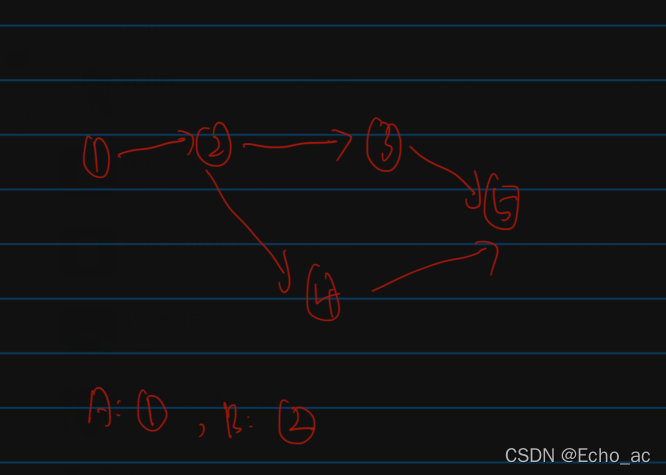
L3-1 那就别担心了 (30 分)——坑点,测试点分析

Reproduce the pathways language model using colossal AI
![[matlab] matlab drawing operation skills](/img/ec/65c822e54847fcc8d799218499542c.png)
[matlab] matlab drawing operation skills
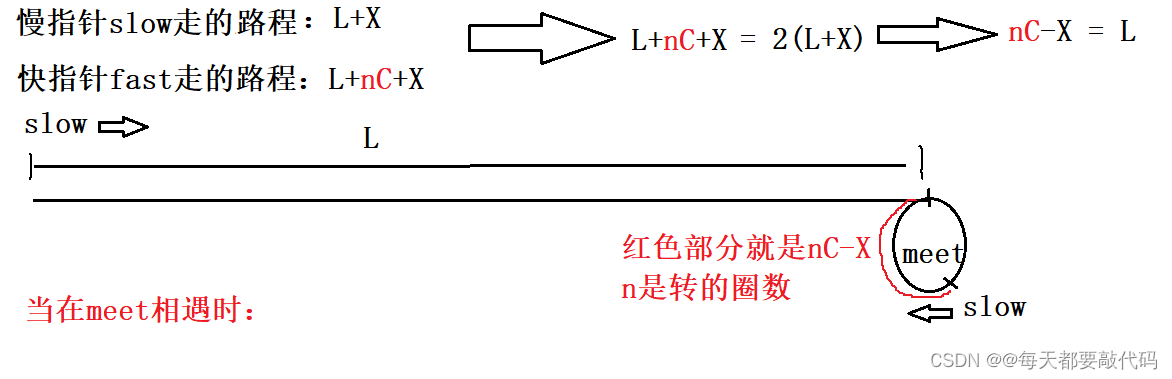
学完链表,不去找几个经典例题巩固一下知识?链表的五大OJ经典例题,你会吗?不妨来看一看(知识剖析+图形理解)

Collection of some websites
随机推荐
LeetCode146-LRU缓存-模拟-双向链表-哈希表-数据结构-操作系统
L3-1 then don't worry (30 points) - pit point, test point analysis
2022年一级注册建筑师考试建筑材料与构造复习题及答案
2022 intermediate accounting title examination economic law practice questions and answers
解锁OpenHarmony技术日!年度盛会,即将揭幕!
读书笔记《秋园》《浮木》《我本芬芳》
L1-055 谁是赢家 (10 分)
[RL] 深入理解Tabular Leaning (MC/TD) 过程中的梯度下降使用
Review questions and answers of building materials and structures in 2022 first-class registered architect examination
点云双边滤波
The next stop of cloud native microservices is the heavy upgrade of microservice engine MSE
CC10000.ZABBIX———————————————
HTTP cache notes
D:MATLAB. N practical skills -MATLAB Chinese Forum essence summary
1957年高考数学题
CC10000.MySQL———————————————
Black box test - data reading and output mode
【中南林业科技大学】【陈】第九周作业三角形异常处理
It is revealed that Xiaomi has new machines this month, and many of its products are ready to go
Opencv -- histogram processing